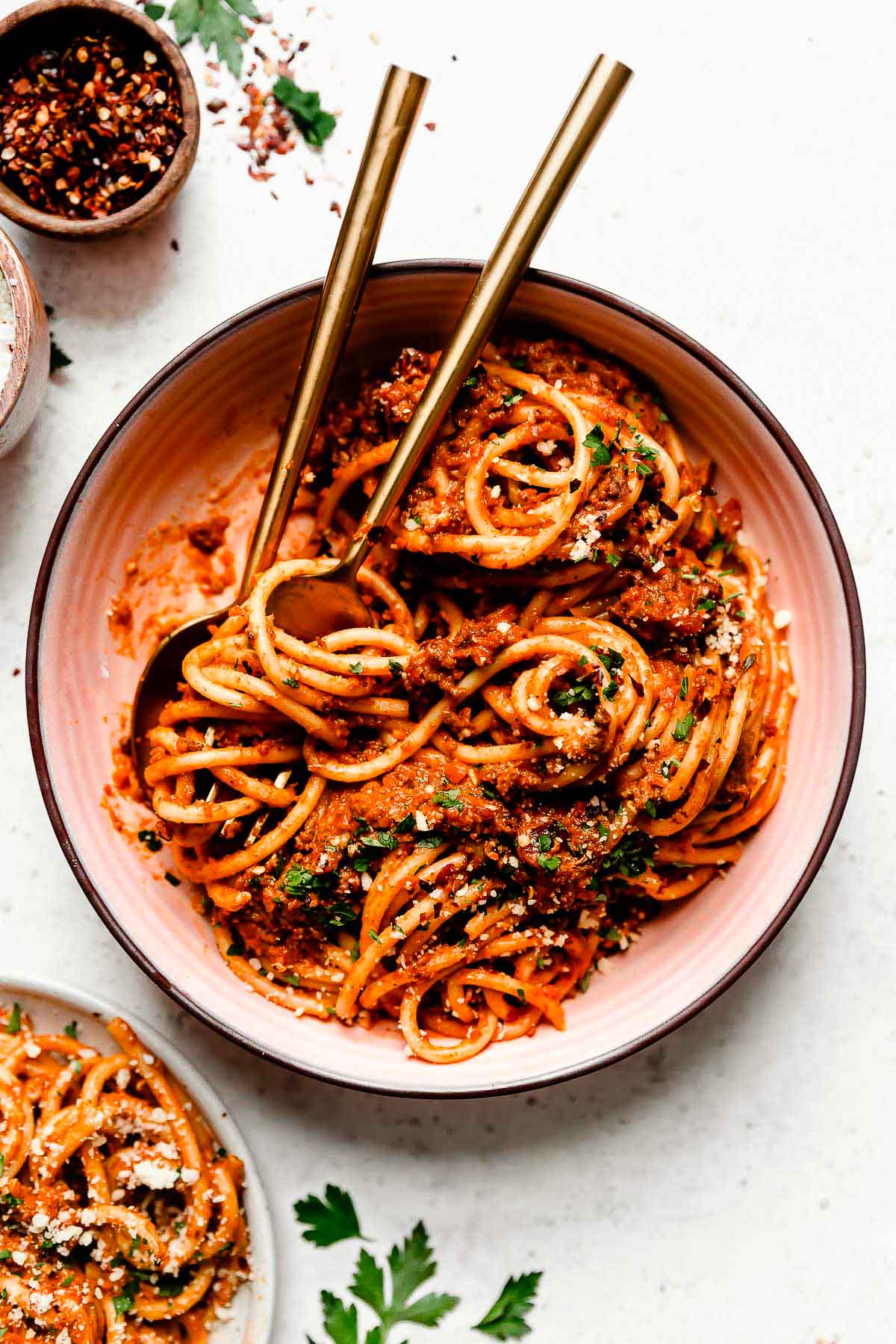
The Timeless Appeal of Make-Ahead Bolognese: Rich Flavor That Improves Over Time
Few dishes evoke the warmth and comfort of home quite like a truly authentic bolognese sauce. Known in its native Italy as *ragù alla bolognese*, this slow-simmered meat sauce is a culinary masterpiece that defies quick preparation. While the process may demand patience, the reward is a profoundly rich, complex flavor that, much like a fine wine or a hearty chili, only deepens and improves with time. This makes bolognese the ultimate make-ahead meal, transforming simple ingredients into a gourmet experience that’s perfect for busy weeknights or leisurely weekend gatherings.
Beyond Convenience: Why Bolognese Flavors Improve Overnight
The magic of make-ahead bolognese extends far beyond mere convenience. There's a scientific and gastronomic reason why this robust sauce tastes even better the day after it's cooked. During the initial simmer, ingredients begin to break down, release their essential oils, and infuse into the liquid. However, it's during the resting period – particularly overnight in the refrigerator – that the true transformation occurs.
As the sauce cools, fats solidify, trapping aromatic compounds and allowing flavors to "marry" and meld in a way that’s impossible during active cooking. The individual sharp edges of ingredients like garlic, onion, and tomato mellow, integrating into a harmonious whole. Sugars caramelize further, and the protein and fat molecules continue to interact, creating a more cohesive texture and a deeper, more nuanced umami profile. This process, often referred to as "flavor development," is what elevates a good bolognese to an extraordinary one, creating a depth of character that truly sets it apart from a hastily prepared dish.
Crafting the Perfect Bolognese: Ingredients and Technique
Creating a memorable bolognese sauce is an act of love, built upon a foundation of quality ingredients and a patient approach to cooking. Unlike simpler tomato-based pasta sauces, bolognese distinguishes itself through a deliberate combination of elements and a slow, methodical simmering process. For a deeper dive into these distinctions, explore our article on
Bolognese vs. Spaghetti Sauce: Decoding the Flavor Differences.
Building the Flavor Foundation: The Mirepoix and Meats
At the heart of any great bolognese is the *soffritto*, or mirepoix, a classic Italian aromatic base of finely chopped onion, carrot, and celery. This trio isn't just filler; it's the critical first layer of flavor, offering sweetness, earthiness, and aromatic depth that underpins the entire sauce. Chopping these vegetables finely ensures they dissolve into the sauce during simmering, contributing to its smooth texture and integrated flavor.
For the meat, a blend is often preferred for ultimate richness. While all ground beef is certainly acceptable, many chefs swear by a combination of ground beef and pork. The pork adds a crucial layer of fat and a distinct savory flavor that enriches the sauce significantly. Some traditional recipes even incorporate ground veal or a touch of Italian sausage for added complexity. Browning the meat thoroughly before draining excess fat is vital for developing rich, savory notes through the Maillard reaction.
The Liquids: Wine, Milk, and Tomatoes
These liquids are where bolognese truly differentiates itself from many other meat sauces:
* **Wine:** A dry red wine, such as Cabernet Sauvignon or Merlot, is highly recommended. It serves multiple purposes: deglazing the pan to scrape up those flavorful browned bits, adding acidity to cut through the richness of the meat, and contributing significant depth and complexity to the overall flavor profile. If wine isn't an option, a good quality beef broth can be a suitable substitute, though it will lack the same alcoholic complexity.
* **Milk:** This might seem like an unusual addition to a meat sauce, but milk is a traditional and essential ingredient in *ragù alla bolognese*. It tenderizes the meat, adds a creamy richness, and subtly balances the acidity from the tomatoes, resulting in a smoother, more rounded flavor. Simmering the milk until almost completely evaporated is key to integrating it seamlessly.
* **Tomatoes:** While many might associate bolognese with a strong tomato flavor, in true Italian *ragù*, tomatoes play a supporting role, contributing sweetness and a touch of tang rather than dominating the sauce. Canned whole peeled tomatoes are often preferred over diced as they tend to have a thicker consistency and a richer, less processed flavor. Crushing them by hand or gently with a spoon releases their juices and pulp effectively. A small amount of tomato paste also contributes a concentrated umami punch.
The Art of Slow Simmering: Patience is Key
Once your ingredients are prepped and the initial browning is complete, the bolognese enters its long, slow simmer phase – a testament to the Italian culinary philosophy that good food takes time. After deglazing with wine and allowing it to reduce, the milk is added and simmered until almost evaporated. Finally, the tomatoes and other seasonings are incorporated, and the sauce is left to gently bubble away.
This extended simmering period, often lasting for hours, is where the sauce truly thickens, concentrates, and develops its signature character. Flavors deepen, ingredients meld, and the sauce transforms from a collection of individual components into a cohesive, deeply satisfying masterpiece. For insights into the historical and traditional preparation methods, check out
Authentic Bolognese Sauce: Mastering Traditional Italian Ragù.
Mastering the Make-Ahead Advantage: Storage and Reheating
The make-ahead nature of bolognese is one of its greatest virtues, offering both convenience and superior flavor. Planning to cook a large batch on a Sunday to enjoy throughout the week or freeze for later meals is a savvy culinary strategy.
Storing Your Bolognese Gold
* **Refrigeration:** Once cooked, allow the bolognese sauce to cool completely before transferring it to an airtight container. It can be safely stored in the refrigerator for up to 4 days, with its flavor improving each day.
* **Freezing:** Bolognese freezes exceptionally well, allowing you to enjoy homemade convenience for months. Portion the cooled sauce into freezer-safe containers or heavy-duty freezer bags, leaving about an inch of headspace if using rigid containers to allow for expansion. It can be stored in the freezer for up to 3 months. Laying freezer bags flat before freezing makes for easy stacking and quicker thawing later.
Reheating for Restaurant-Quality Results
* **Thawing:** For best results, thaw frozen bolognese overnight in the refrigerator. If you're in a hurry, you can gently thaw it in a microwave using the defrost setting, stirring occasionally.
* **Stovetop:** Reheat the thawed sauce over medium-low heat on the stovetop, stirring frequently to ensure even heating and prevent sticking. Add a splash of water or broth if the sauce seems too thick.
* **Microwave:** Reheat in a microwave-safe dish, stirring every minute or two until hot throughout.
Always reheat bolognese until it is piping hot to ensure food safety and optimal flavor.
Serving Your Magnificent Bolognese Sauce
In Bologna, *ragù* is traditionally served with *tagliatelle*, a wide, flat egg pasta whose rough texture and generous surface area are perfect for clinging to the rich, thick sauce. Other wide, flat pastas like *pappardelle* or *fettuccine* are also excellent choices. While commonly paired with spaghetti outside of Italy, the traditional *ragù alla bolognese* is thick and hearty, making it less suitable for thin, round pasta strands that allow the sauce to slip off.
Beyond pasta, bolognese is incredibly versatile. It forms the heart of an authentic lasagna, is fantastic layered into a baked ziti, or can even be served over creamy polenta or gnocchi. To complete your Italian feast, accompany your bolognese with a crisp green salad tossed with a vinaigrette and generous slices of crusty garlic bread for soaking up every last bit of the exquisite sauce. Finish each serving with a sprinkle of freshly grated Parmigiano-Reggiano cheese and a crack of black pepper.
A Culinary Reward Worth the Wait
Making bolognese sauce is a journey from simple, humble ingredients to a deeply satisfying culinary experience. It's a dish that teaches patience and rewards generosity, delivering unparalleled flavor that genuinely improves with time. Whether you’re preparing it for a weeknight dinner or a special gathering, the make-ahead nature of this rich, flavorful sauce ensures that you can always have a taste of Italian tradition ready to warm your soul and delight your palate. Embrace the process, savor the aroma, and enjoy the profound depth of flavor that only a slow-cooked, well-rested bolognese can offer.