Authentic Bolognese Sauce: Mastering Traditional Italian Ragù
Few dishes evoke the warmth and comfort of Italian home cooking quite like an authentic Bolognese sauce. Far more than just a simple meat sauce,
ragù alla bolognese, as it's known in its birthplace of Bologna, Italy, is a culinary masterpiece. It's a rich, thick, and deeply flavorful creation, patiently simmered to perfection, a testament to the idea that the best things in life take time. If your experience with "Bolognese" has primarily been a quick-fix tomato and ground beef concoction, prepare to embark on a journey that will redefine your understanding of this beloved Italian classic.
The Heart of Bolognese: Understanding *Ragù alla Bolognese*
At its core, traditional Bolognese sauce is a slowly cooked, meat-based ragù, distinct from the tomato-heavy sauces often found outside Italy. While tomato is an ingredient, it plays a supporting role, contributing sweetness and subtle acidity rather than dominating the flavor profile. The true essence of an authentic
bolognese sauce lies in the meticulous layering of ingredients and the lengthy simmering process that allows their flavors to meld and mature into a symphony of taste.
Unlike typical spaghetti sauce, which might prioritize a vibrant tomato base, *ragù alla bolognese* focuses on building profound savory depths. It's less about the acidity of tomatoes and more about the richness of meat, dairy, and aromatic vegetables. This fundamental difference is crucial for anyone seeking to replicate the true Italian experience. For a deeper dive into these distinctions, explore our article on
Bolognese vs. Spaghetti Sauce: Decoding the Flavor Differences. Traditionally, this robust sauce is served with wide, flat pasta like tagliatelle, whose broad surface area perfectly cradles the thick ragù, or as the luscious filling for classic lasagne alla bolognese.
Deconstructing the Authentic Bolognese Ingredients
Crafting a traditional
bolognese sauce requires specific ingredients, each playing a vital role in developing its characteristic flavor and texture.
*
The Soffritto (Mirepoix): This is the aromatic foundation, a triumvirate of finely chopped onion, celery, and carrot. Sautéed gently until softened and fragrant, the soffritto provides a sweet, savory, and earthy base that underpins the entire sauce. The key here is *finely* chopped; the vegetables should almost melt into the sauce over time.
*
The Meat: While you can use any ground meat, an authentic ragù typically calls for a combination. Ground beef and pork are a classic pairing, with the beef offering robust flavor and the pork contributing a desired richness and tenderness. Some traditional recipes also incorporate a small amount of ground veal or even Italian sausage for added complexity. Feel free to use what's on hand, but a blend truly elevates the final product.
*
Dairy – The Unexpected Twist: Milk: This is perhaps the most surprising yet essential ingredient in an authentic bolognese. Whole milk, added after the wine, simmers down and tenderizes the meat while adding a subtle richness and balancing the acidity from the tomatoes and wine. Don't skip it; it's a game-changer for texture and depth.
*
The Wine: A dry red wine, such as Cabernet Sauvignon or Merlot, adds significant depth and complexity. It helps deglaze the pan, scraping up all those flavorful bits, and its alcohol evaporates, leaving behind concentrated flavor. If wine isn't an option, a good quality beef broth can serve as a suitable replacement, though it won't offer quite the same nuance.
*
Tomatoes: Contrary to popular belief, tomato is not the star. Authentic Bolognese uses a modest amount, primarily in the form of canned whole tomatoes (which offer a thicker consistency than diced) or a small amount of tomato paste. The goal is a rich, meaty sauce with a hint of tomato, not a bright red, tomato-forward sauce.
*
Other Essentials: Garlic is often included for its aromatic qualities, though some purists omit it. Olive oil or butter is used for sautéing. Of course, salt and freshly ground black pepper are crucial for seasoning throughout the cooking process.
The Art of Crafting Bolognese: Step-by-Step Mastery
Creating a truly authentic
bolognese sauce is more about technique and patience than difficulty. Once the initial prep work is done, the process is largely hands-off, allowing the flavors to develop slowly.
1.
Prepare the Soffritto: In a wide, heavy-bottomed pot or Dutch oven, heat a generous drizzle of olive oil or a knob of butter over medium heat. Add the finely chopped onion, carrots, and celery. Sauté gently until they are very soft and translucent, but not browned – this can take 8-10 minutes. This slow rendering of the vegetables is crucial for releasing their full flavor.
2.
Brown the Meat: Increase the heat slightly and add your chosen ground meats to the pot. Break them up with a spoon and brown them thoroughly, ensuring no pink remains. This caramelization is vital for developing rich, savory notes. Once browned, drain off any excess fat.
3.
Deglaze with Wine: Pour in the red wine. Bring it to a simmer and let it cook, stirring occasionally, until it has almost completely evaporated. Use a wooden spoon to scrape up any browned bits from the bottom of the pot – this "fond" is packed with flavor.
4.
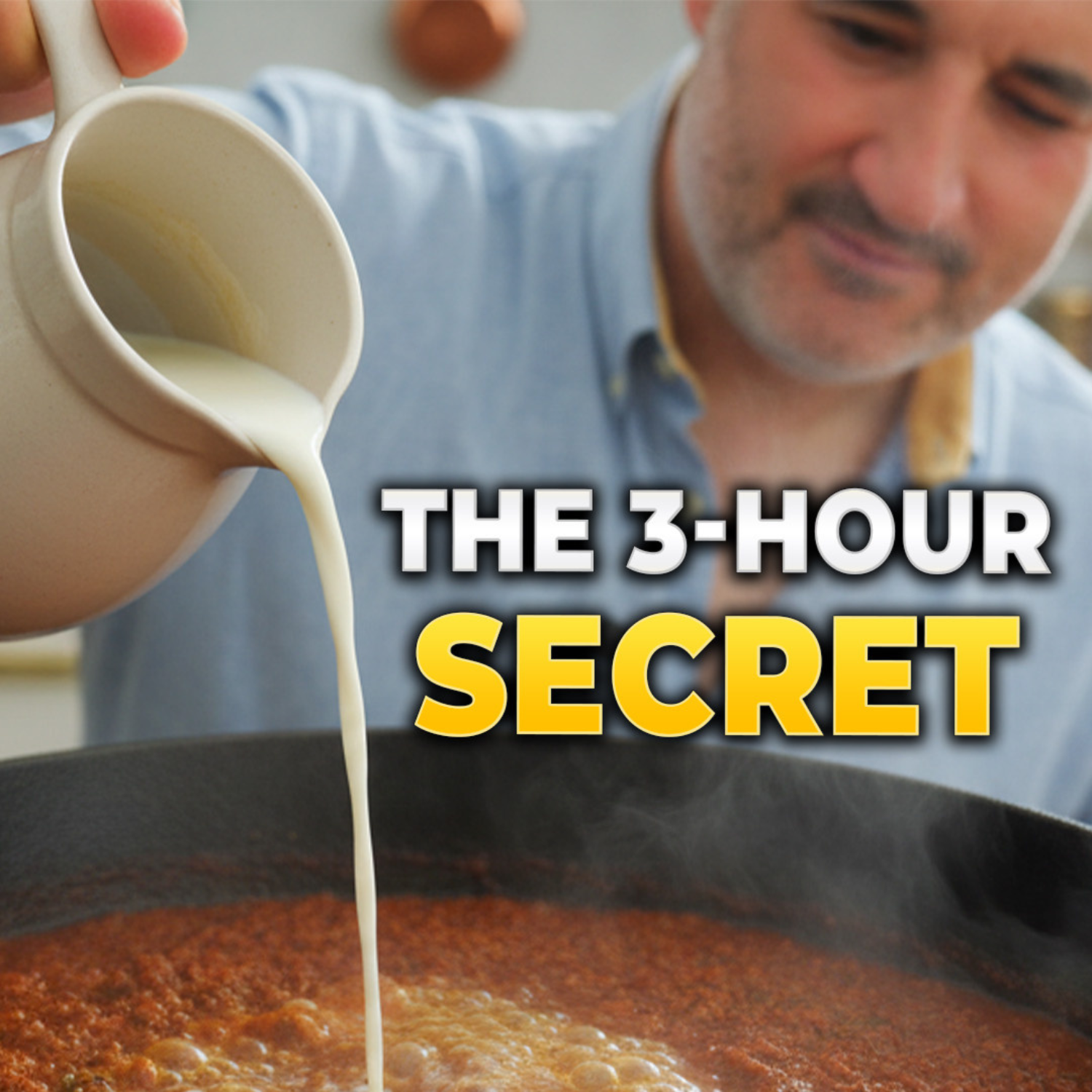
Add the Milk: Next, pour in the milk. Again, bring it to a gentle simmer and let it cook until it has almost completely evaporated. This step is key for tenderizing the meat and adding that signature richness and mellowness.
5.
Introduce Tomatoes and Simmer: Stir in the canned whole tomatoes (crushed by hand or with a spoon), tomato paste (if using), and any additional seasonings like a bay leaf. Reduce the heat to very low, cover partially, and let your ragù simmer gently for a minimum of 2-3 hours, or even longer (4-6 hours is ideal). The longer it simmers, the more the flavors will meld and the sauce will thicken into its characteristic rich consistency. Stir occasionally to prevent sticking.
6.
Season and Serve: Towards the end of the simmering time, taste and adjust the seasoning with salt and pepper as needed. The sauce should be incredibly thick and luscious.
While your sauce is simmering, cook your chosen pasta (ideally tagliatelle or other wide, flat pasta) according to package directions. Serve the steaming pasta generously coated with the rich
bolognese sauce, topped with a generous sprinkle of freshly grated Parmigiano-Reggiano.
Tips for a Flawless Bolognese Experience
Achieving that perfect, authentic
bolognese sauce is a rewarding culinary endeavor. Here are a few expert tips to elevate your creation:
*
Patience is Your Best Ingredient: The most crucial advice for making traditional Italian ragù is simple: don't rush it. The long, slow simmer is not just a suggestion; it's essential for developing the complex, deep flavors that define Bolognese. Plan for at least 3 hours of simmering, and ideally more.
*
Choose Your Pot Wisely: A wide, heavy-bottomed pot or Dutch oven is ideal. The wider surface area allows for better evaporation during the wine and milk stages, contributing to the sauce's thickness and concentrated flavor.
*
Don't Forget the Grated Cheese: Freshly grated Parmigiano-Reggiano is not merely a garnish; it's an integral part of the serving experience. Its salty, nutty flavor beautifully complements the richness of the ragù.
*
Pairing Perfection: While many associate "Bolognese" with spaghetti, authentic *ragù alla bolognese* is traditionally served with broader, flatter pasta shapes like tagliatelle, fettuccine, or pappardelle. These shapes have more surface area to cling to the thick, meaty sauce. It's also the star of a classic lasagna or baked ziti.
*
Make Ahead for Max Flavor: Bolognese sauce, much like a good chili, actually tastes better the day after it's made. The flavors have more time to "meld and marry," resulting in an even richer, more harmonious dish. This makes it an ideal meal to prepare in advance for busy weeknights or special occasions. For more on this, check out
Make-Ahead Bolognese: Rich Flavor That Improves Over Time.
*
Serving Suggestions: Round out your Italian feast with simple accompaniments. A crisp green salad with a light vinaigrette provides a refreshing contrast, and slices of crusty homemade garlic bread are perfect for soaking up every last drop of that glorious sauce.
Conclusion
Mastering an authentic
bolognese sauce is a journey into the heart of Italian culinary tradition. It's a celebration of patience, quality ingredients, and the transformative power of slow cooking. While it requires a commitment of time, the rich, deeply satisfying flavors of a true *ragù alla bolognese* are an unparalleled reward. Once you experience the difference that a traditional approach makes, you'll understand why this timeless classic remains one of the world's most beloved and enduring dishes. So, gather your ingredients, clear your schedule, and prepare to create a culinary masterpiece that will transport your taste buds straight to Bologna.