Bolognese vs. Spaghetti Sauce: Decoding the Flavor Differences
When it comes to the world of Italian-inspired pasta dishes, two beloved contenders often enter the ring:
bolognese sauce and what many colloquially refer to as "spaghetti sauce." While both are rich, savory meat sauces designed to complement pasta, they are far from interchangeable. Understanding the nuanced differences in their ingredients, preparation, and flavor profiles is key to appreciating the culinary artistry behind each. This article delves into what sets these two iconic sauces apart, guiding you through their distinct characteristics and helping you choose the perfect one for your next meal.
What is Authentic Bolognese Sauce? The Heart of Italian Ragù
At its core,
bolognese sauce is a celebrated variety of _ragù_ (a slow-cooked meat-based sauce) originating from Bologna, Italy, where it's known as _ragù alla bolognese_ or simply _ragù_. This isn't just a simple meat-and-tomato sauce; it's a symphony of flavors built through meticulous, slow cooking and a distinctive blend of ingredients that create unparalleled richness and depth.
The foundation of a true
bolognese sauce begins with a _soffritto_ – a finely diced aromatic base of onion, carrot, and celery (known as mirepoix in French cuisine). This trio is gently sautéed to release its natural sweetness and build the first layer of flavor. Next, a combination of minced meats is introduced, often including ground beef and fatty pork, or sometimes veal and Italian sausage, adding a complex umami character.
What truly sets bolognese apart from typical spaghetti sauces are a few "unusual" yet essential ingredients:
- Milk: Added after browning the meat and softening the vegetables, milk might seem counterintuitive, but it plays a crucial role. It tenderizes the meat, adds a subtle richness, and mellows any acidity from the tomatoes, contributing to a velvety texture and a distinctive mild sweetness.
- Wine: Typically dry red wine (such as Cabernet or Merlot), or sometimes white wine, is simmered until almost evaporated. This step adds significant depth, acidity balance, and a complex aromatic profile that elevates the sauce beyond mere tomato and meat. If wine isn't an option, beef broth can be a suitable replacement, though it won't yield the same intricate flavor.
- Minimal Tomato: Unlike many "spaghetti sauces," authentic bolognese uses a relatively small amount of tomato – often just a small amount of tomato paste or canned whole tomatoes. The tomato is a supporting player, providing a hint of sweetness and acidity rather than dominating the flavor.
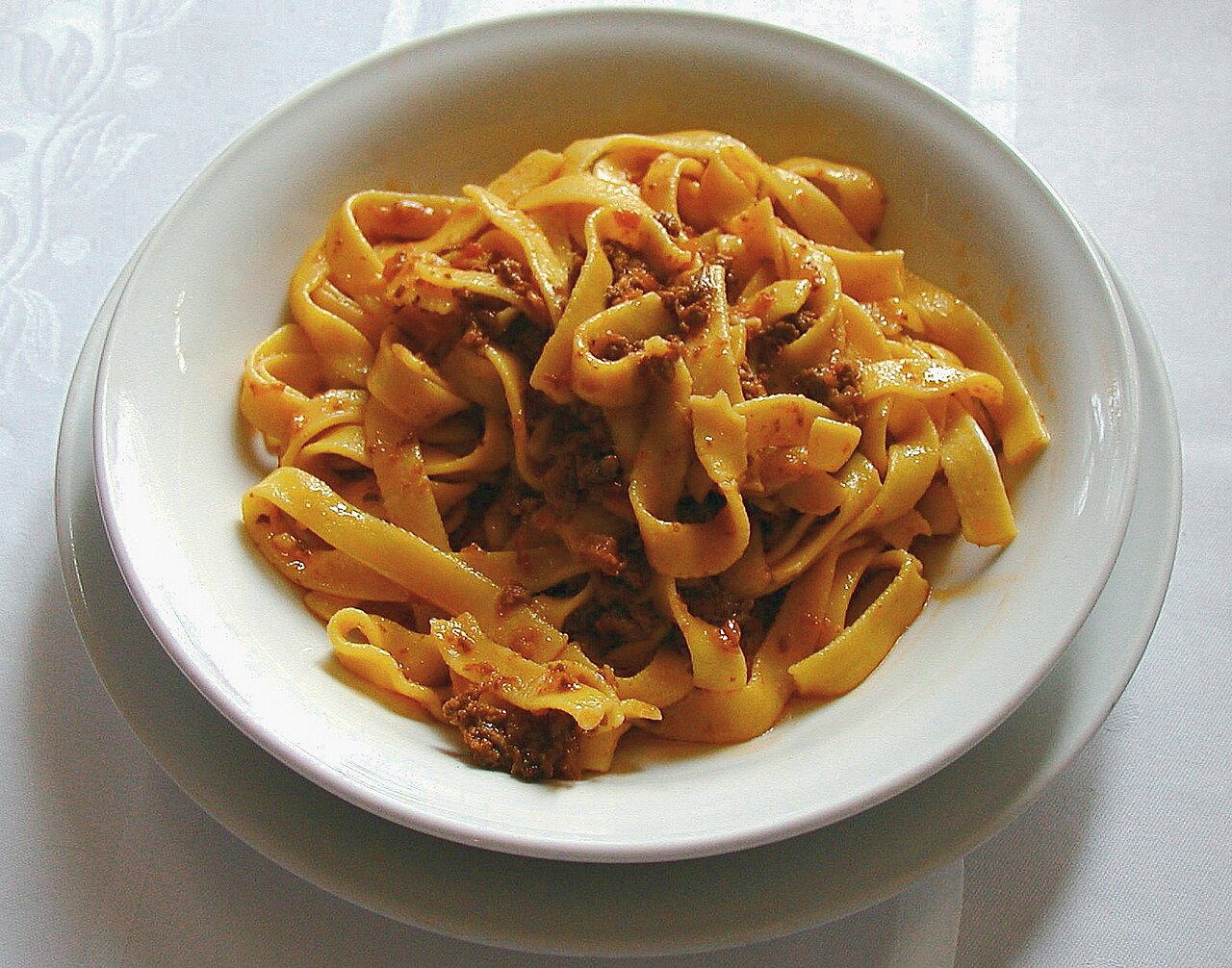
The cooking process itself is a testament to patience. After browning the meat, draining excess fat, and simmering the wine and milk, all ingredients are brought together for a long, gentle simmer. This slow braising allows the flavors to "meld and marry," resulting in a thick, rich, and intensely savory sauce. The texture is hearty and clingy, perfect for robust pasta like _tagliatelle_ (the traditional pairing in Bologna) or for layering in _lasagne alla bolognese_. For an even deeper dive into this classic, explore our article on
Authentic Bolognese Sauce: Mastering Traditional Italian Ragù.
Deconstructing "Spaghetti Sauce": The Everyday Classic
The term "spaghetti sauce" is broad and often refers to a vast category of tomato-based meat sauces commonly found outside Italy, especially in North American cuisine. While delicious and incredibly popular, these sauces typically differ significantly from traditional _ragù alla bolognese_.
A typical spaghetti sauce usually features:
- Pronounced Tomato Flavor: The defining characteristic is a strong, bright, and often acidic tomato base. This can come from crushed tomatoes, diced tomatoes, tomato puree, or even tomato paste used in larger quantities than in bolognese.
- Simpler Meat Profile: While ground meat (most commonly beef) is often included, it's generally a simpler addition, less focused on a complex blend or fatty content than in bolognese.
- Garlic and Onion: These are staples, providing a pungent aromatic base, often sautéed more aggressively than the gentle _soffritto_ of bolognese. Celery and carrots are less common or entirely absent.
- Herbs: Dried oregano, basil, and sometimes bay leaves are frequently used, contributing an earthy, aromatic quality that complements the tomato.
- Quicker Preparation: While some spaghetti sauces can simmer for hours, many are designed for quicker weeknight meals, often requiring less extensive layering of flavors or long braising times.
The texture of spaghetti sauce tends to be looser and more liquid, ideal for coating long, thin pasta like spaghetti. Its flavor profile is typically bright, tangy, and robustly tomato-forward, making it a comforting and versatile staple in many households.
The Core Flavor Differences: Bolognese vs. Spaghetti Sauce
Now that we've explored each sauce individually, let's pinpoint the precise flavor distinctions that truly set them apart.
1. The Tomato's Role
In **bolognese sauce**, tomato is a subtle supporting character. It provides a touch of sweetness and acidity, but the overall flavor is dominated by the rich meat, aromatic vegetables, and the profound depth from wine and milk. You taste a complex meat stew with a hint of tomato.
Conversely, "spaghetti sauce" puts tomato front and center. Its flavor is bright, tangy, and undeniably tomato-centric, with the meat and herbs playing supporting roles to the vibrant fruit.
2. The Meat Experience
Bolognese offers a complex, deeply savory meat experience. The combination of different ground meats (beef, pork, veal, or sausage), often with a higher fat content, contributes significantly to its rich texture and umami-packed flavor. The slow cooking also tenderizes the meat, making it melt-in-your-mouth.
Spaghetti sauce, while often containing ground meat, typically offers a simpler, more straightforward meat flavor that blends into the tomato base rather than defining the sauce's core identity.
3. The Dairy and Wine Factor
The inclusion of milk and wine in **bolognese sauce** is a game-changer. The milk adds a creamy richness, tenderizes the meat, and rounds out sharp edges, while the wine provides an incredible depth, acidity, and aromatic complexity that cannot be replicated. These elements create layers of flavor that evolve with each bite.
These ingredients are typically absent from standard "spaghetti sauce," which relies more on herbs and the natural acidity of tomatoes for its flavor profile.
4. Aromatic Foundation and Texture
The _soffritto_ of onion, carrot, and celery in bolognese is crucial for building a foundational sweetness and savory base that permeates the entire sauce. The fine chop and slow cooking of these vegetables create a smooth, integrated flavor. This, combined with the extensive simmering, results in a thick, hearty, and somewhat creamy texture.
Spaghetti sauce often uses just onion and garlic, sometimes coarsely chopped, leading to a more pungent aromatic background. Its texture is generally thinner and more liquid, better suited for coating thin strands of pasta.
5. Cooking Philosophy
The preparation of
bolognese sauce is an act of culinary patience. It’s about building flavor through distinct stages – browning, deglazing with wine, simmering with milk, and then a long, gentle braise for hours. This method allows flavors to truly "meld and marry," resulting in a sauce that only gets better with time, much like a good chili. This is why bolognese is an excellent candidate for making ahead, as its flavors deepen overnight. Discover more about this technique in
Make-Ahead Bolognese: Rich Flavor That Improves Over Time.
Spaghetti sauce, while it can benefit from simmering, often has a more direct approach, combining ingredients and cooking until flavors are developed, usually in a shorter timeframe.
Crafting Your Perfect Sauce: Tips for Home Cooks
Whether you lean towards the intricate richness of
bolognese sauce or the vibrant simplicity of spaghetti sauce, here are some tips to elevate your homemade creations:
*
Quality Ingredients: Start with good quality meat, fresh vegetables, and the best canned tomatoes you can find. For bolognese, whole canned tomatoes often have a thicker consistency and richer flavor.
*
Patience for Bolognese: Don't rush the process. Allow the _soffritto_ to soften, the meat to brown thoroughly, and the wine and milk to simmer down completely. The long, slow braise is non-negotiable for true depth.
*
Don't Skip the Milk and Wine: For an authentic bolognese, these are not optional. They contribute uniquely to the sauce's texture and flavor profile.
*
Finely Chop for Bolognese: Ensure your onion, carrot, and celery are finely minced to dissolve into the sauce, creating a smoother texture and integrated flavor.
*
Balance for Spaghetti Sauce: If your spaghetti sauce tastes too acidic, a pinch of sugar or a pat of butter can help balance the flavors. Fresh herbs added at the end can also brighten it up.
*
Seasoning: Taste as you go! Adjust salt, pepper, and herbs to your preference. A final sprinkle of Parmesan cheese is a must for both.
Conclusion
The battle between bolognese and "spaghetti sauce" isn't about which is "better," but rather about understanding and appreciating their unique culinary identities.
Bolognese sauce, with its roots in Emilia-Romagna, Italy, is a testament to slow cooking, complex layering, and a subtle interplay of meat, aromatics, dairy, and wine. It’s a thick, hearty, umami-rich _ragù_ where tomato plays a secondary role. "Spaghetti sauce," on the other hand, is a versatile, often quicker, tomato-forward creation that celebrates the vibrant flavors of the garden and often serves as a comforting staple. Both offer distinct, delicious experiences, and knowing their differences empowers you to choose or create the perfect sauce for any occasion, ensuring every bite is a delightful journey of flavor.